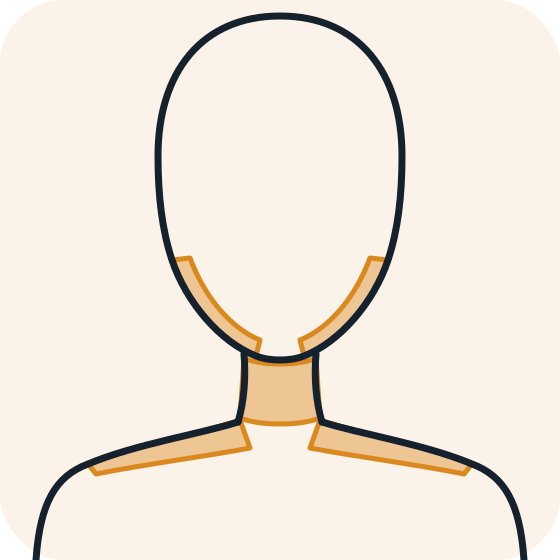
In your 40s, the pace of skin sagging changes noticeably. While sagging in your 20s and 30s mostly comes from shifting subcutaneous fat or reduced surface elasticity, from your 40s the structural loosening of the SMAS (fascial layer) begins in earnest. That is why cheeks drop, smile lines deepen and the jawline blurs all at once. If you are considering a lifting treatment for the first time at this point, "ultrasound or radiofrequency?" is not simply a choice of device. It is a question of which layer to stimulate, and how.
How Ultrasound Lifting Works
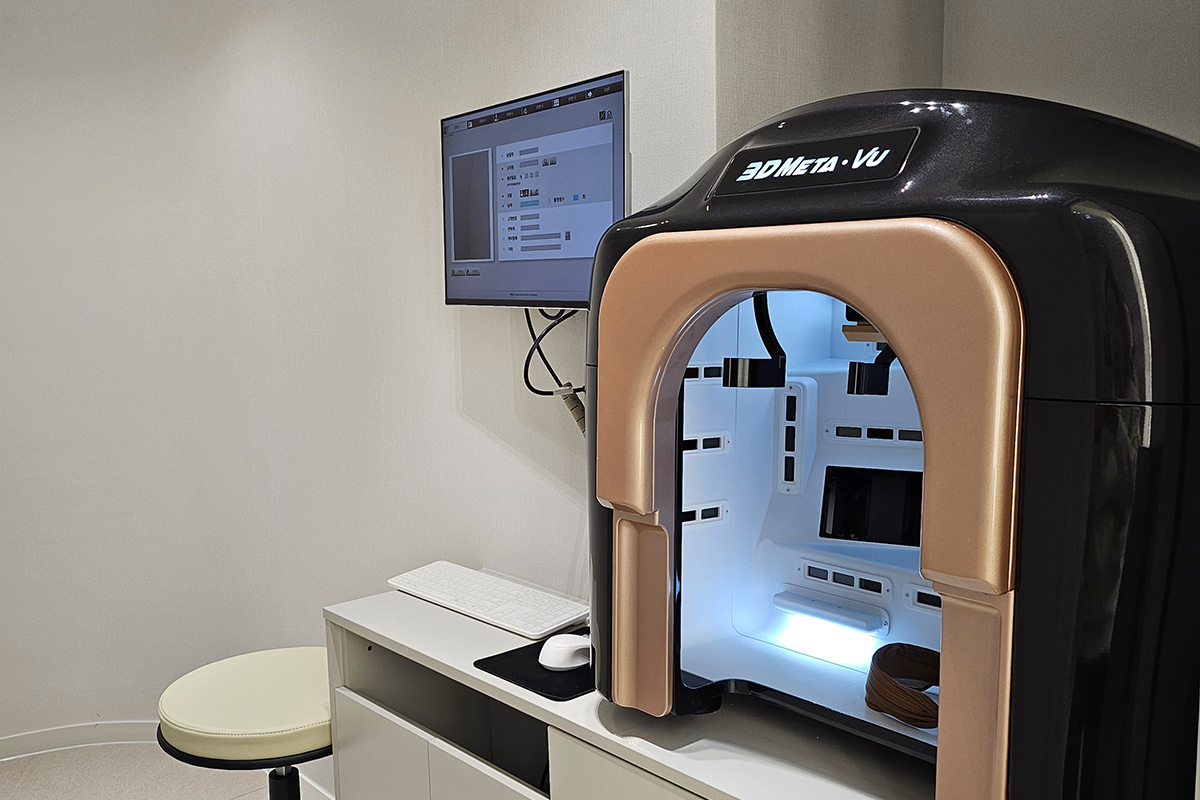
Ultrasound methods, represented by Ulthera, focus energy down to the SMAS layer without disturbing the skin surface. When the ultrasound forms a focal point at a specific depth, the tissue there contracts and the collagen regeneration process begins. The Ulthera used at the Repic Clinic in Gangnam is equipped with DeepSee™ real-time imaging, which allows the depth of the tissue to be checked during treatment. This is meaningful because skin thickness differs from person to person. The energy needs to reach the target layer precisely for any corrective effect on sagging to be expected.
Ultrasound lifting in 40s skin is mainly relevant when loosening of the SMAS layer is the main cause, such as a sagging jawline, lower cheeks that droop, or hollowness below the cheekbones. Conversely, if the skin itself is relatively thick and firm, ultrasound can be a more direct choice. You can usually return to daily life right after treatment, and the effect appears gradually over several weeks and lasts for several months. Results may vary depending on individual skin condition and the depth settings used.
How Radiofrequency Lifting Works and How It Applies in Your 40s
Radiofrequency (RF) methods use the frictional heat generated as electrical energy passes through tissue to prompt collagen contraction and regeneration. InMode delivers RF energy down to the SMAS layer, aiming at fat cell reduction, collagen production and tightening at the same time. That is why RF lifting is often mentioned when a double chin or loose fat under the chin is also present. InMode is an FDA-cleared medical device, and the Repic Clinic in Gangnam also uses this device.
Thermage FLX delivers radiofrequency down to the depth of the dermis to prompt collagen regeneration, and is used for overall facial firmness, fine lines and the look of pores. RF-based options are considered in your 40s when your skin feels less dense and drier overall, or when changes in skin texture itself matter more than obvious sagging. Because no single method solves every concern, there are also approaches that combine the two methods or adjust their order depending on the depth and location of the sagging.

Three Criteria to Check Before Choosing a Lifting Treatment in Your 40s
First, identify the location and depth of the sagging. If structural loosening of the SMAS layer is the main issue, ultrasound is considered; if excess subcutaneous fat or reduced skin density is also present, RF-based options or a combination are considered. Second, think realistically about how much recovery time you have and how well you tolerate discomfort. Ultrasound lifting can cause a prickling sensation during treatment, and InMode comes with a feeling of internal warmth. Third, consider the treatment interval and maintenance cycle. For Ulthera, an interval of once or twice a year is generally suggested, and for RF-based options the cycle can vary with skin condition. It is more accurate to get specific guidance on this through a consultation after a skin assessment.
If you are considering lifting in your 40s, the starting point is not to choose an expensive, high-intensity treatment from the outset, but to assess your current skin condition and sort out which areas are your priority. The Repic Clinic in Gangnam (318 Gangnam-daero, Gangnam-gu, Seoul) offers several methods, including Ulthera, InMode, Thermage FLX and ONDA lifting, and the indications and costs of each treatment can be confirmed through a consultation.

Comparing the Lifting Methods
- Ulthera lifting — Delivers focused energy to the SMAS layer with ultrasound. Depth is checked with DeepSee™ real-time imaging. Used for sagging of the jawline, cheeks and cheekbone area.
- InMode lifting — Delivers RF energy down to the SMAS layer. Aims at fat reduction, collagen production and tightening at the same time. Applied to the double chin, jawline and cheeks. FDA-cleared device.
- Thermage FLX — Uses radiofrequency to prompt collagen regeneration at dermal depth. For overall facial firmness, fine lines and the look of pores.
- ONDA lifting — Uses Coolwave™ microwave technology to minimize damage to the skin surface. Targets the dermis and the subcutaneous fat layer at the same time.
Frequently Asked Questions
Q. Can I get ultrasound lifting and radiofrequency lifting together in my 40s?
Because the two methods differ in working depth and type of energy, they are sometimes combined on the same day or spaced apart. However, when both are done on the same day, the stress on the skin can add up, so the order and interval are generally decided at the consultation according to your skin condition and target areas. Results may vary depending on individual skin condition.
Q. How long is the recovery after lifting in your 40s?
With non-surgical lifting such as Ulthera or InMode, most people can return to daily life on the day of treatment. Temporary redness or swelling may appear right after treatment and often settles within a few days. The effect develops over several weeks to several months as collagen regenerates. It varies from person to person, so please confirm the details at your consultation before treatment.
Q. If I am in my 40s and new to ultrasound lifting, how many shots is a suitable starting point?
The number of shots depends on the area, skin thickness and degree of sagging, and there is no uniform standard. For a first treatment, it is common to set priority areas after the assessment rather than doing the full number of shots at once. At the Repic Clinic in Gangnam, the number of shots per area and the estimated cost can be explained during your consultation.
Related official information
You can find more detail on the official website.
Repic Clinic official website →
※ This content is for general information only and does not replace a medical diagnosis or treatment. Please consult a medical professional before any procedure. Results, downtime and side effects vary from person to person.