Why You Need to Identify Your Scar Type Before Treatment
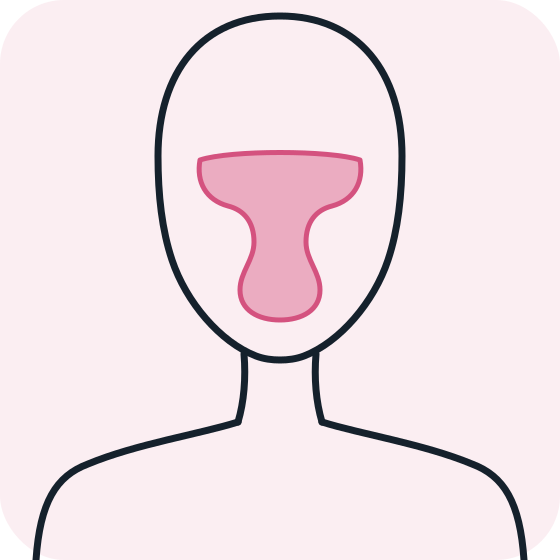
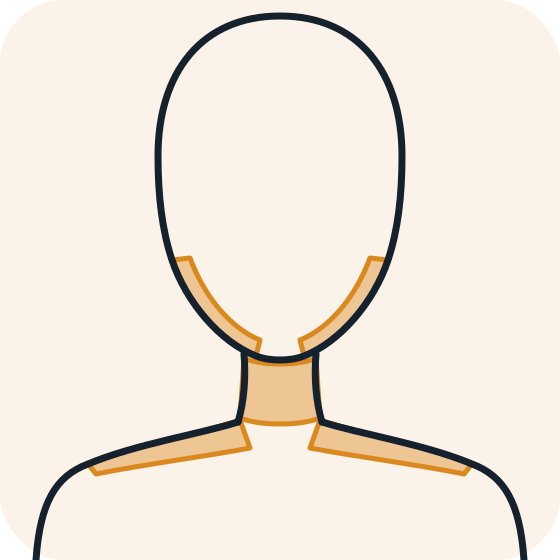
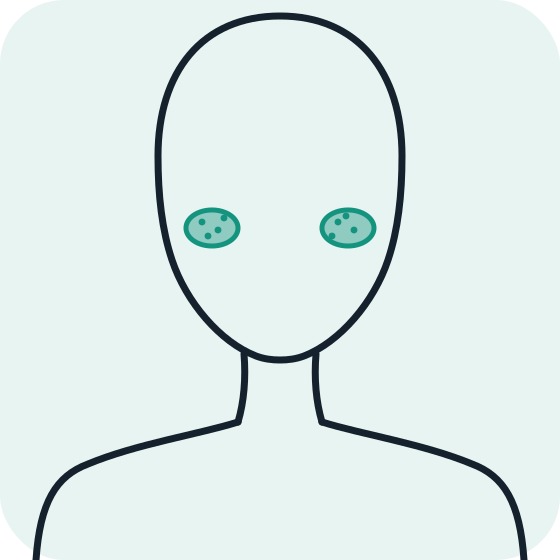
The first thing to check on an acne scar pre-treatment checklist is the shape of the scar. Boxcar, rolling and ice pick scars differ in depth and location of skin damage, so even the same laser can give different results. In fact, many faces have two or more scar types mixed together, and in that case a combined plan is more common than a single treatment.

Comparing First-Line Treatments by Scar Type
| Scar type | Characteristics | First-line treatment to consider | Combined application |
|---|---|---|---|
| Boxcar | Vertical depressions with clear edges | Fraxel laser | Effective when combined with collagen remodeling |
| Rolling | Wave-like appearance due to adhesions under the skin | Subcision | A regeneration treatment is added after releasing adhesions |
| Ice pick | Narrow, deep, hole-like shape | Punch excision | Alone or combined, depending on depth |
| Mixed type | Two or more types together | Combined plan after assessment | A combination of subcision, Cure Jet and Collaum |
Scar type is hard to judge by eye alone. At Repic Clinic in Gangnam, scar depth and skin thickness are quantified with 3D skin analysis devices such as Meta View and Mark-Vu and then reflected in the treatment plan. Without this step, the order and intensity of treatment may not suit the scar type.
Seven Things to Check Before Treatment

1. Identify your scar type — Use the table above to first work out which type your scars are closest to. It is better to confirm this with data at a clinic that has precise assessment devices.
2. Check whether your acne is currently active — Having scar laser treatment while acne is active can spread inflammation. It is common to start scar treatment after the acne has settled to some degree.
3. Plan your downtime schedule — Scar treatment requires 5 to 7 days of downtime after the procedure. Coordinate the timing in advance so it does not affect important events or work plans.
4. Understand the number of sessions and the interval — Acne scars generally need an average of 3 to 5 treatments and maintenance at 3 to 6 month intervals. A claim that scars will disappear completely after one session is medically inaccurate, so be cautious of clinics that say this.
5. Check whether a combined treatment is used — It is hard for a single treatment to address every scar type. A realistic approach is a combined plan that first releases adhesions with subcision, then supports skin regeneration and collagen remodeling with Cure Jet and Collaum. The Repic Scar Care program at Repic Clinic in Gangnam applies this combined plan based on assessment data.
6. Check for a keloid tendency — If you or a family member has a history of keloid scars, you should generally tell the clinic at the consultation. Keloids call for a different treatment direction from ordinary scars, and injection treatment is sometimes combined.
7. Understand the pricing structure — Acne scar treatment is a non-covered (out-of-pocket) service.

How a Combined Treatment Plan Differs From a Single Treatment
Once you have gone through the acne scar pre-treatment checklist, the next step is to understand the flow of a combined treatment plan. Repic Scar Care at Repic Clinic in Gangnam proceeds in this order: first, subcision separates the adhesion tissue under the skin; then Cure Jet delivers active ingredients deep into the skin; and Collaum induces collagen remodeling. Unlike simply using several devices, it differs in that the role of each step is separated and planned based on assessment data.
After treatment, swelling and scabs may appear for 5 to 7 days, and during this period sun protection and moisturizing affect the speed of recovery. It is a good idea to also get guidance on managing downtime at the consultation.
Frequently Asked Questions (FAQ)
Q. How many acne scar treatments will I need?
It depends on scar depth and type, but generally an average of 3 to 5 treatments is needed, with intervals of 3 to 6 months. An explanation that scars disappear completely after a single session has no medical basis, so it is important to confirm a realistic treatment plan at the consultation stage.
Q. Can I go to work the day after scar treatment?
Acne scar treatment (including subcision and lasers) requires 5 to 7 days of downtime after the procedure. Unlike treatments such as Botox or toning that allow a return the next day, scar treatment requires you to build the recovery period for swelling and scabs into your schedule. At Repic Clinic in Gangnam, the order and timing of treatment are coordinated with your schedule at the consultation.
Q. Is treatment different for keloids and ordinary acne scars?
Yes. A keloid is a constitutional reaction in which scar tissue grows beyond the original wound, and the approach differs from laser for ordinary scars. Keloid injection treatment is sometimes combined, and if you or a family member has a history of keloids, you should generally mention it first at the consultation so a suitable treatment direction can be planned.
Related Official Information
You can find more details on the official site.
Repic Clinic official website →
※ This content is for general information only and does not replace a medical diagnosis or treatment. Please consult a medical professional before any procedure. Results, downtime and side effects vary from person to person.