To understand how acne scar treatment works and what to expect, you first need to understand how a scar remains in the skin. Scars form when skin tissue regenerates abnormally after inflammation, and the treatment approach differs by type. An explanation that a scar is completely removed with one session is medically inaccurate, and generally 3 to 5 treatments and maintenance at 3 to 6 month intervals are needed.
STEP 1: Identify the Scar Type, the Starting Point of Every Treatment
Acne scars are broadly divided into three shapes. Boxcar scars have clear edges and a wide base, and Fraxel-type lasers are considered first. Rolling scars are depressed in a wave-like shape because adhesions under the skin pull on it, and subcision, which directly cuts the adhesion tissue, plays the key role. Ice pick scars are narrow and deep, and physical removal such as punch excision is considered.
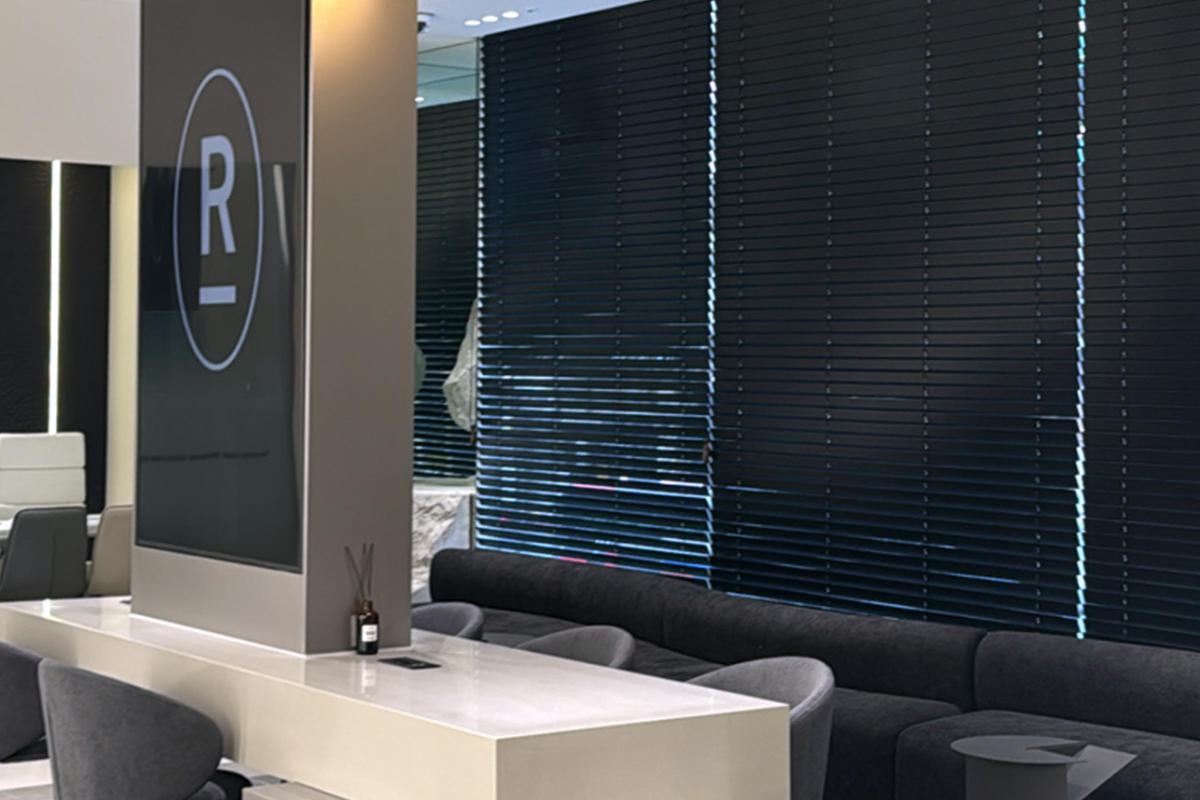
On most faces, all three types are mixed together. Therefore, rather than handling every scar with a single treatment, designing a combined treatment based on assessment data is generally recommended. Repic Clinic in Gangnam analyzes scar type and skin condition from multiple angles based on precise skin assessment data and then sets the treatment direction.
STEP 2: Core Treatment Principles: Subcision, Cure Jet and Collaum
Once the scar type is identified, treatments suited to each type are applied in combination. The principles of the three treatments at the center of the Repic Scar Care program are as follows.
-
Subcision: releasing adhesions
The cause of rolling scars is adhesions in which tissue pulls together in the layer beneath the skin. In subcision, a fine needle is inserted under the scar to cut this adhesion tissue. When the adhesions are released, the depressed skin surface rises, and space is created for collagen to fill in anew during the later regeneration process. -
Cure Jet: drug delivery and skin regeneration
Cure Jet delivers regenerative ingredients into the skin using a needle-free, high-pressure jet. It is used to support skin regeneration in the scar area, and when combined after adhesions have been released by subcision, it creates an environment favorable to ingredient absorption. -
Collaum: collagen remodeling
Collaum is used to reorganize the collagen structure in the scar area. It acts in the direction of reconstructing collagen that has been abnormally arranged in damaged tissue, and aims to improve skin texture.
STEP 3: Combined Application: Why Step-by-Step Treatment Design Matters
If the three treatments are combined without a sequence, the effect can be dispersed. It is generally recommended to follow the steps in this order: releasing adhesions (subcision), delivering regenerative ingredients (Cure Jet), and collagen remodeling (Collaum). If regeneration treatments are repeated while adhesions remain, there is a limit to how far the skin surface can rise.
Repic Scar Care is Repic Clinic in Gangnam's signature acne scar treatment program that designs these three approaches in combination. Before treatment, scar location, depth and density are measured through a precise skin assessment, and the combination and order of each treatment are decided based on that data.
STEP 4: Maintenance: Setting the Number of Sessions and Intervals
The reason it is hard to expect a result from a single session in acne scar treatment is that collagen regeneration and remodeling progress over several weeks to several months after treatment. Generally 3 to 5 treatments are done, and an interval of 3 to 6 months between sessions is recommended. The effect of treatment may differ depending on an individual's skin condition, scar depth and lifestyle.
When keloids are present, keloid injection treatment is considered separately. A keloid is a form in which scar tissue proliferates excessively, and the approach differs from an ordinary acne scar.
Summary of Treatment Approaches by Scar Type
| Scar type | Characteristics | Treatment to consider first |
|---|---|---|
| Boxcar | Clear edges, wide base | Fraxel-type laser |
| Rolling | Adhesions under the skin, wave-like shape | Subcision, then Cure Jet and Collaum together |
| Ice pick | Narrow and deeply pitted | Punch excision |
| Mixed type | Two or more types together | Combined plan after assessment |
When this order is followed (type assessment, treatment design, combined application, maintenance), each step becomes a structure that supports the effect of the next. It is recommended to confirm the detailed treatment composition and number of sessions through a consultation after a skin assessment.
Related Official Information
You can find more details on the official site.
Repic Clinic official website →
※ This content is for general information only and does not replace a medical diagnosis or treatment. Please consult a medical professional before any procedure. Results, downtime and side effects vary from person to person.